Flowers for Wedding Celebrations: Perfect Floral Guide
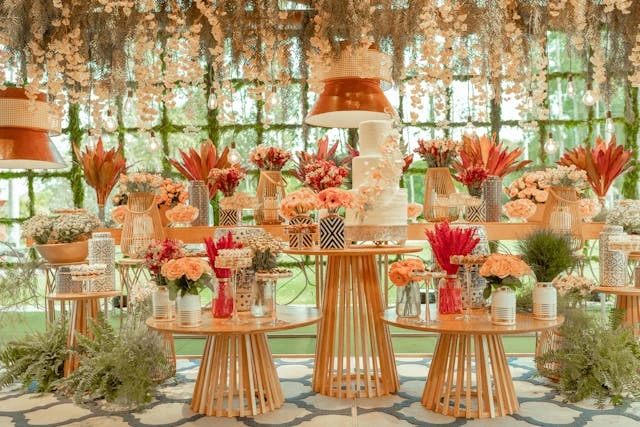
Flowers have always played a meaningful role in wedding celebrations. From elegant bridal bouquets to breathtaking ceremony arches, floral arrangements create beauty, emotion, and atmosphere throughout the event. Choosing the right flowers for wedding occasions involves more than simply selecting attractive blooms. Couples must consider color palettes, seasonal availability, venue style, budget, and the overall mood they want to create.
Also Read: Top Spots to Explore in Mahabaleshwar
Modern weddings offer endless floral possibilities. Some couples prefer classic roses and peonies, while others lean toward wildflowers, greenery, or tropical arrangements. The right combination can transform an ordinary venue into a memorable setting that reflects personality and style. Floral décor also influences photography, table aesthetics, and guest impressions, making it one of the most visually important elements of the wedding day.
Why Flowers Matter in Wedding Design
Wedding flowers do more than decorate a venue. They help create a complete visual experience that ties every detail together. Floral arrangements can soften large spaces, add color to neutral settings, and bring elegance to both indoor and outdoor ceremonies.
Flowers also carry emotional symbolism. Roses often represent love and romance, while lilies symbolize purity and commitment. Many couples choose blooms that hold personal meaning or reflect cultural traditions. The fragrance, texture, and colors of flowers contribute to the atmosphere and can make a wedding feel more intimate and memorable.
Another important aspect is consistency. When floral elements match invitations, table décor, bridal attire, and lighting themes, the wedding feels more organized and visually balanced. This harmony creates a polished appearance that guests notice immediately.
Choosing Seasonal Flowers for Better Results
Seasonal flowers are often fresher, more affordable, and easier to source. Selecting blooms that naturally thrive during the wedding season can improve arrangement quality while helping couples manage their budget more effectively.
Spring weddings commonly feature tulips, peonies, daffodils, and cherry blossoms. These flowers create soft and romantic designs with pastel tones. Summer weddings often include sunflowers, hydrangeas, garden roses, and dahlias because they withstand warmer temperatures well.
Autumn weddings usually highlight rich colors through chrysanthemums, marigolds, and burnt-orange roses. Winter ceremonies often include white roses, amaryllis, carnations, and evergreen accents for a sophisticated seasonal appearance.
Working with seasonal flowers also supports more sustainable floral practices. Locally available blooms reduce transportation needs and are less likely to wilt quickly during the event.
Popular Flower Choices for Weddings
Many flowers remain timeless choices because of their beauty, versatility, and symbolism. Each type offers a unique appearance and works differently within bouquets and arrangements.
Roses
Roses are among the most requested wedding flowers due to their romantic appearance and wide range of colors. They suit classic, luxury, and modern wedding themes equally well. Garden roses, in particular, provide a fuller and softer look.
Peonies
Peonies are admired for their large petals and delicate texture. They create luxurious bouquets and centerpieces, especially in spring weddings. Their soft appearance works beautifully in romantic themes.
Hydrangeas
Hydrangeas add volume and texture to floral arrangements. Available in white, blue, pink, and purple shades, they work well for ceremony arches and reception centerpieces.
Tulips
Tulips offer a clean and elegant appearance suitable for minimalist weddings. Their simple shape complements modern décor styles and springtime ceremonies.
Orchids
Orchids create a sophisticated and exotic feel. They are often used in luxury weddings and tropical-themed celebrations because of their dramatic appearance.
Creating a Balanced Wedding Color Palette
The floral color palette should complement the overall wedding theme rather than overpower it. Soft neutral tones create timeless elegance, while bold shades add personality and energy.
Couples should consider the venue environment when selecting floral colors. Outdoor garden weddings often work well with pastel tones and greenery. Ballroom weddings may benefit from richer colors like burgundy, deep red, or gold accents.
White flowers remain a classic choice because they pair easily with nearly every theme. However, adding subtle shades like blush pink, lavender, or peach can create greater depth and visual interest.
Greenery has also become increasingly popular in wedding arrangements. Eucalyptus, ivy, olive branches, and ferns add texture while balancing brighter floral tones naturally.
Essential Floral Arrangements for Weddings
Wedding flowers extend far beyond the bridal bouquet. Different arrangements contribute to the overall visual structure of the event.
Bridal Bouquet
The bridal bouquet is often the centerpiece of wedding florals. It should complement the dress style, wedding theme, and bride’s personality. Cascading bouquets create dramatic elegance, while hand-tied bouquets appear more natural and relaxed.
Ceremony Flowers
Ceremony arrangements typically include altar flowers, aisle decorations, arches, and entrance displays. These arrangements establish the tone for the event and create a beautiful backdrop for photographs.
Reception Centerpieces
Table centerpieces enhance the dining atmosphere and help define reception style. Tall arrangements create grandeur, while smaller centerpieces encourage conversation among guests.
Floral Installations
Modern weddings increasingly feature hanging flowers, floral walls, and suspended greenery. These installations create visual impact and provide memorable photo opportunities.
For couples exploring elegant arrangement styles and seasonal inspirations, browsing different flowers for wedding collections can help narrow down design preferences naturally.
Budgeting for Wedding Flowers
Floral budgets vary significantly depending on flower types, arrangement sizes, and venue requirements. Some luxury blooms, such as peonies and orchids, can increase costs considerably when used extensively.
Couples can manage floral expenses more effectively by focusing on priority areas. For example, investing in ceremony arches and bridal bouquets may create more impact than elaborate guest table arrangements.
Using greenery strategically also reduces costs while maintaining fullness and elegance. Reusing ceremony flowers during the reception is another practical approach that maximizes value.
Here are several useful budgeting tips:
- Choose seasonal flowers whenever possible
- Limit imported blooms
- Repurpose ceremony arrangements for receptions
- Mix premium flowers with affordable fillers
- Focus floral décor on high-visibility areas
- Use candles and greenery for additional volume
A balanced floral plan helps achieve beauty without unnecessary overspending.
Matching Flowers with Wedding Themes
Different wedding themes call for different floral styles. Understanding how flowers support overall aesthetics can help couples make better design decisions.
Rustic Weddings
Rustic weddings often feature wildflowers, eucalyptus, sunflowers, and earthy tones. Wooden accents and loose arrangements create a relaxed atmosphere.
Classic Weddings
Classic weddings usually include roses, hydrangeas, and white floral palettes. Symmetrical arrangements and elegant centerpieces create timeless sophistication.
Bohemian Weddings
Bohemian styles favor dried flowers, pampas grass, and organic textures. Neutral tones combined with soft greenery create a free-spirited look.
Tropical Weddings
Tropical ceremonies often use orchids, monstera leaves, birds of paradise, and vibrant color combinations for a dramatic visual effect.
Importance of Professional Floral Planning
Professional florists understand flower longevity, arrangement structure, and venue coordination. Their experience helps prevent common issues such as wilting, overcrowded designs, or color mismatches.
A florist can also guide couples through seasonal availability and recommend suitable alternatives when specific flowers are unavailable. Mock arrangements and sample bouquets often help finalize design decisions before the wedding day.
Communication is essential during floral planning. Couples should share inspiration photos, color palettes, and venue details early in the process. Clear expectations help achieve consistent results throughout the event.
Floral Trends in Modern Weddings
Wedding floral trends continue evolving as couples seek more personalized experiences. Current trends emphasize creativity, sustainability, and visual storytelling.
One growing trend is the use of monochromatic floral palettes. Using different shades of one color creates a sophisticated and cohesive appearance. Another trend involves asymmetrical arrangements that appear more natural and artistic.
Dried flowers and preserved blooms are also becoming popular due to their texture and long-lasting quality. Sustainability remains important as couples increasingly choose locally sourced flowers and reusable décor elements.
Minimalist floral designs are gaining attention as well. Instead of oversized centerpieces, many couples now prefer simple arrangements with carefully selected blooms and clean presentation.
Conclusion
Flowers remain one of the most impactful elements in wedding celebrations because they influence atmosphere, style, and emotional connection throughout the event. From bouquets and ceremony arches to elegant centerpieces, carefully selected floral arrangements can transform any venue into a memorable setting.
Choosing the right flowers requires thoughtful planning, seasonal awareness, and a clear understanding of the wedding theme. Balancing beauty with practicality helps couples create arrangements that feel personal, elegant, and visually cohesive.
Couples seeking inspiration for timeless floral combinations and arrangement ideas often explore curated flowers for wedding selections to better understand styles that match their vision naturally.
FAQs
1. How far in advance should wedding flowers be planned?
Wedding flowers should ideally be planned six to eight months before the event. Early planning allows couples to secure preferred florists, discuss seasonal flower availability, and finalize design concepts without unnecessary stress. It also provides enough time for adjustments based on venue requirements or budget considerations.
2. What are the most budget-friendly wedding flowers?
Carnations, chrysanthemums, baby’s breath, and seasonal roses are generally considered affordable wedding flower options. Using locally sourced flowers and greenery can also reduce costs significantly. Couples often save money by selecting in-season blooms and avoiding rare imported varieties that require special handling.
3. Which flowers last longest during outdoor weddings?
Flowers such as orchids, sunflowers, carnations, chrysanthemums, and tropical blooms tend to perform well in outdoor conditions. These flowers handle heat and sunlight better than delicate varieties like hydrangeas or peonies. Proper hydration and shaded storage before the ceremony also improve flower longevity.
4. Should wedding flowers match bridesmaid dresses exactly?
Wedding flowers do not need to match bridesmaid dresses perfectly. Instead, they should complement the overall color palette. Coordinating tones often create a more balanced and visually appealing result than exact color matching, especially in photography and venue décor.
5. Are artificial flowers suitable for weddings?
Artificial flowers can work well for weddings, especially for destination ceremonies or large installations requiring durability. High-quality artificial arrangements now appear highly realistic and can be reused afterward. Many couples combine fresh and artificial flowers to balance aesthetics, convenience, and overall budget needs.